
Category
Fall Protection & Safety Shops
Harnesses, lanyards, rigging hardware, lifting slings, and PPE sourced from professional tradespeople and safety creators who use this gear on the job.
48 shoppable posts in Fall Protection & Safety.
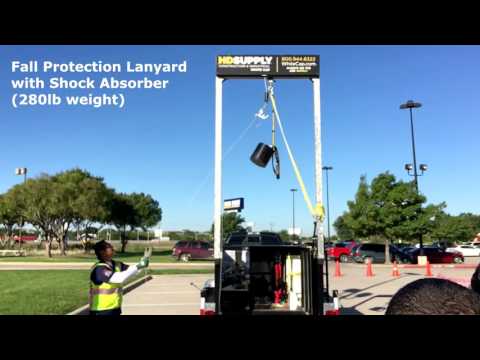
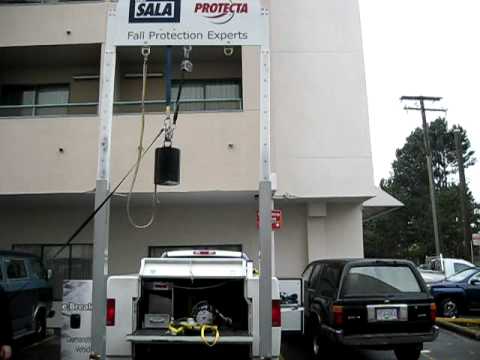
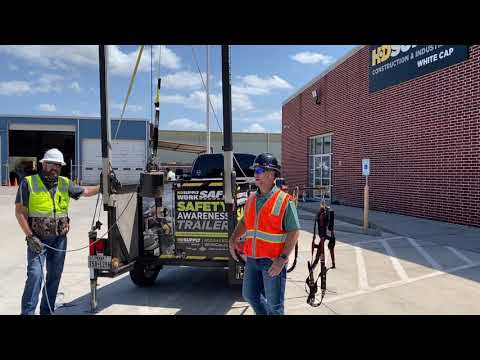
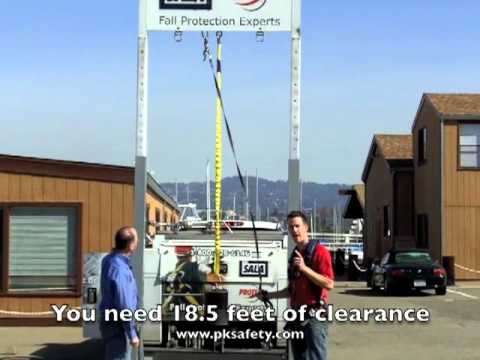
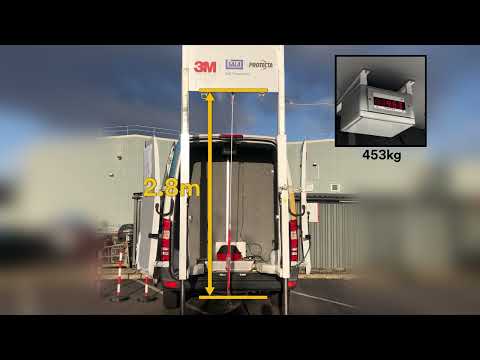
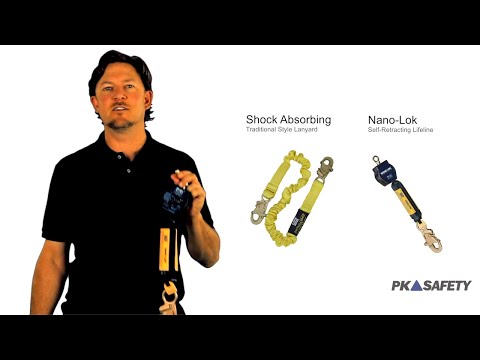

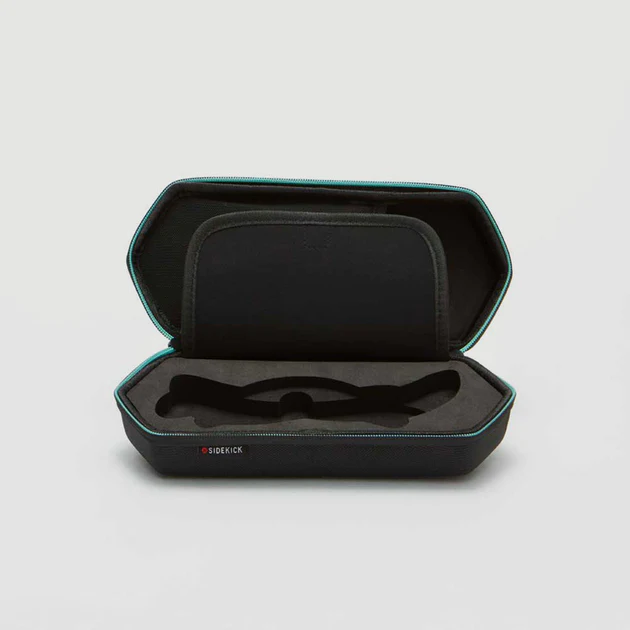
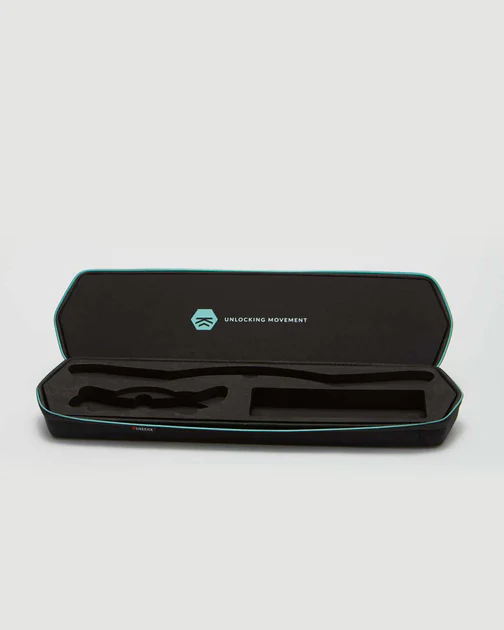
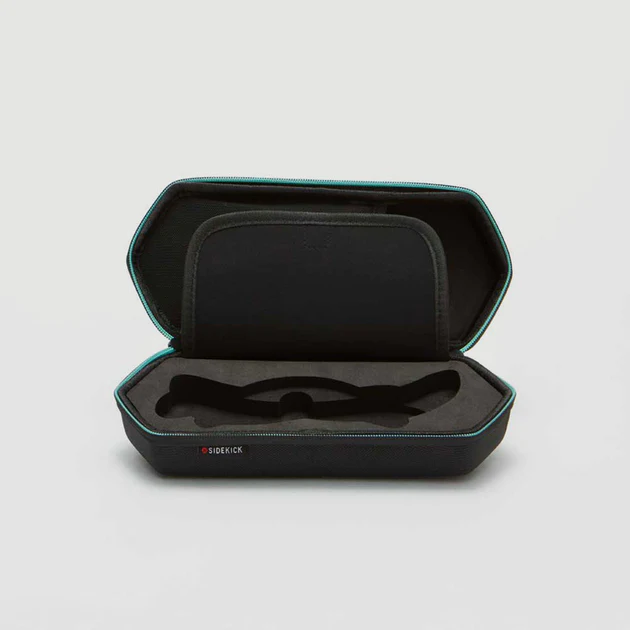


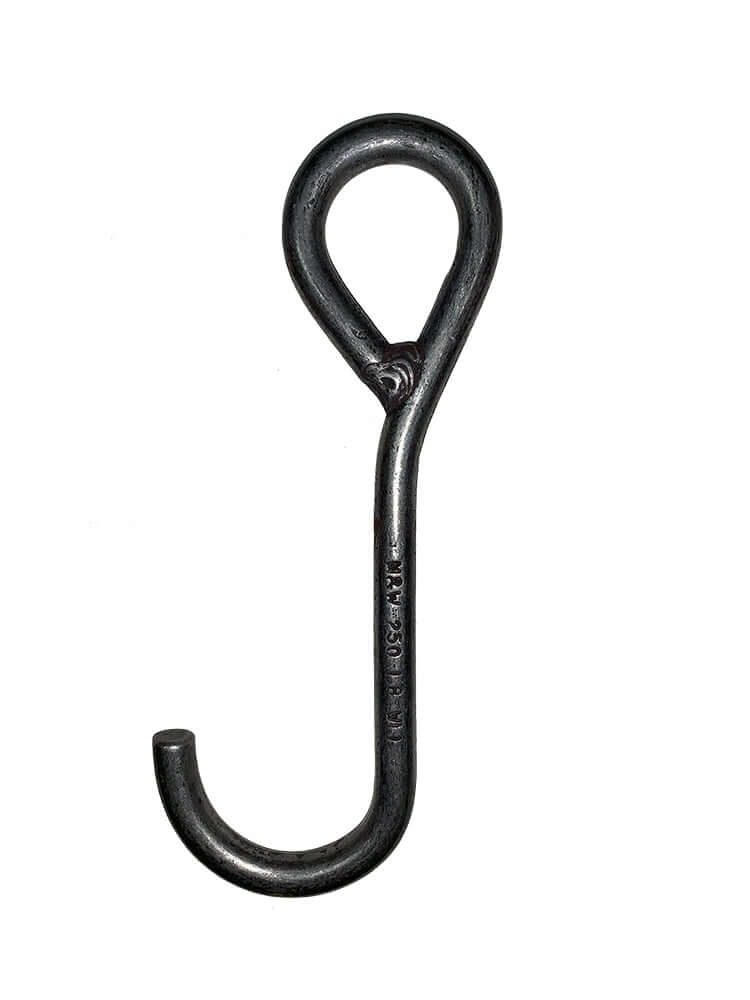
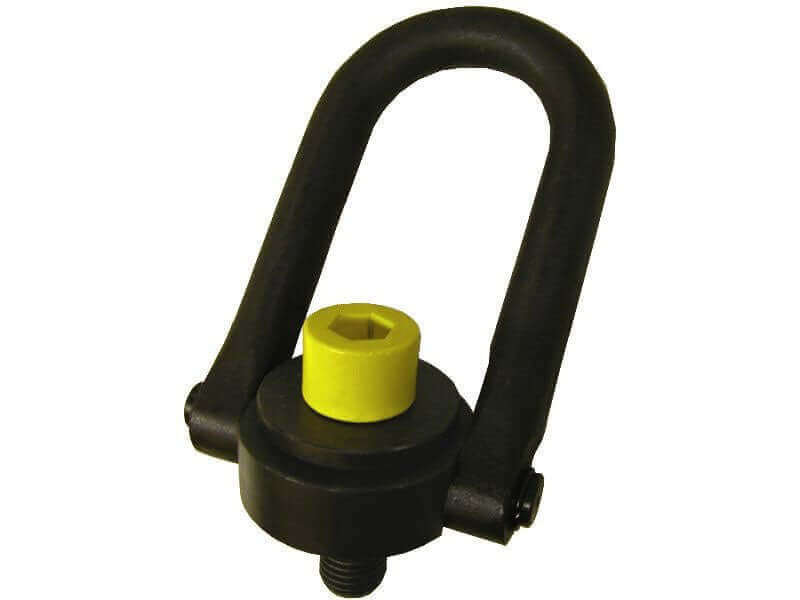
Alloy Steel Short Tip J-Hook – Dakota Riggers & Tool Supply, Inc.
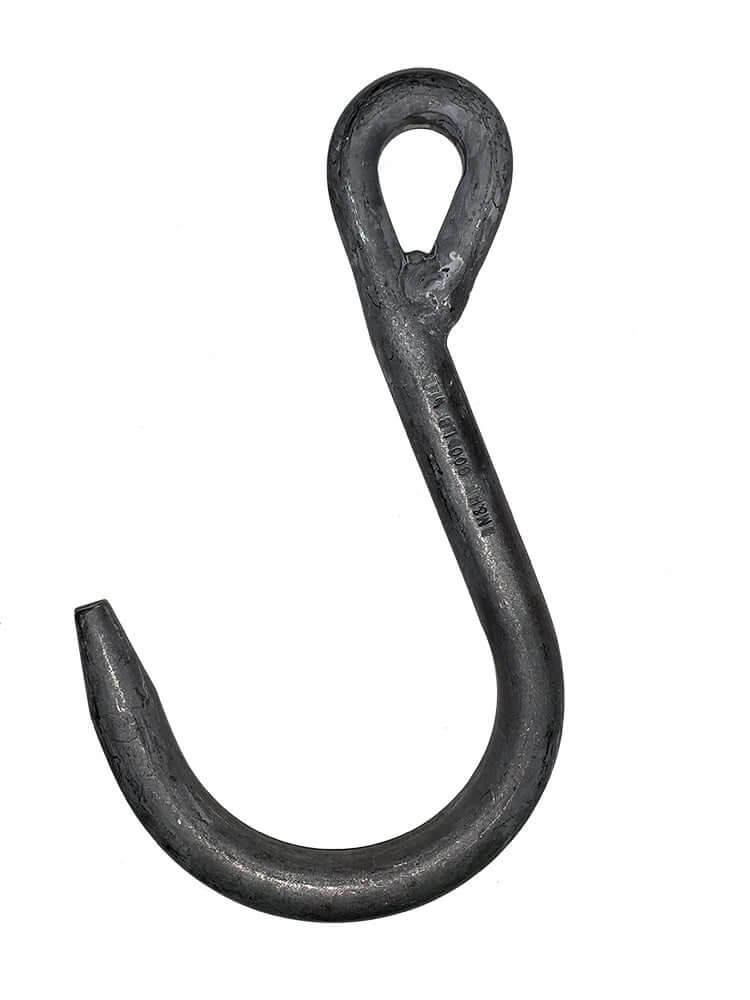
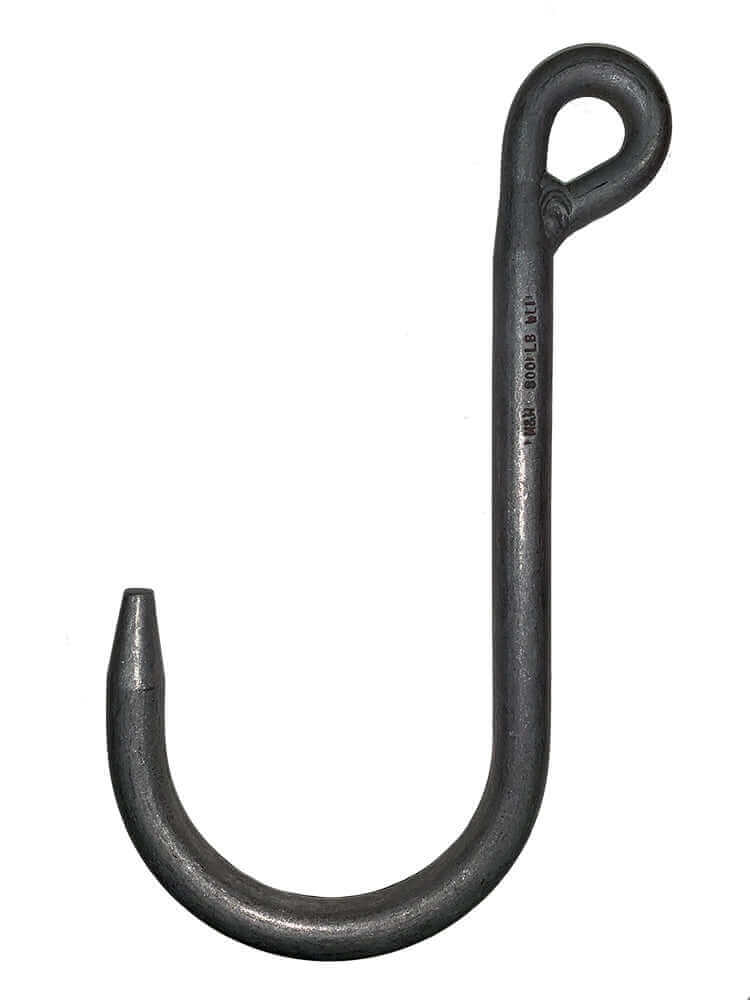
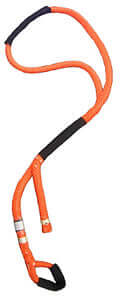
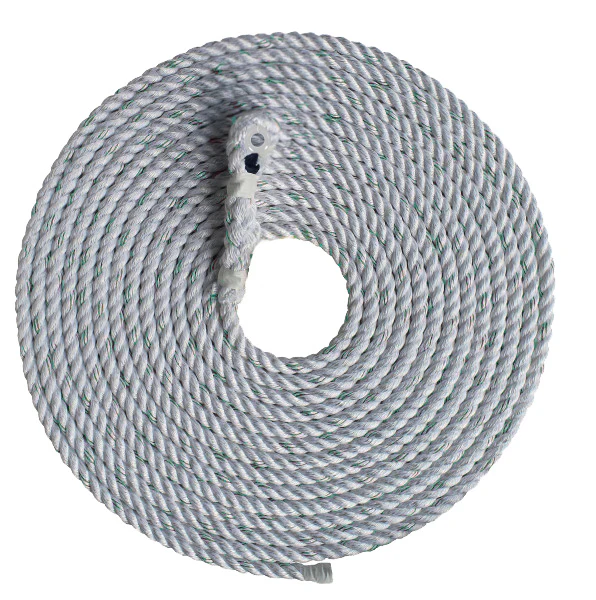
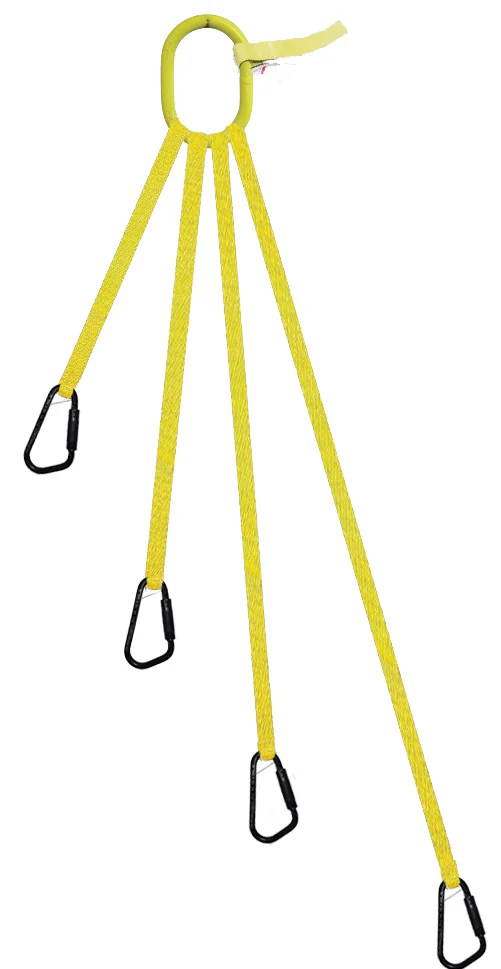
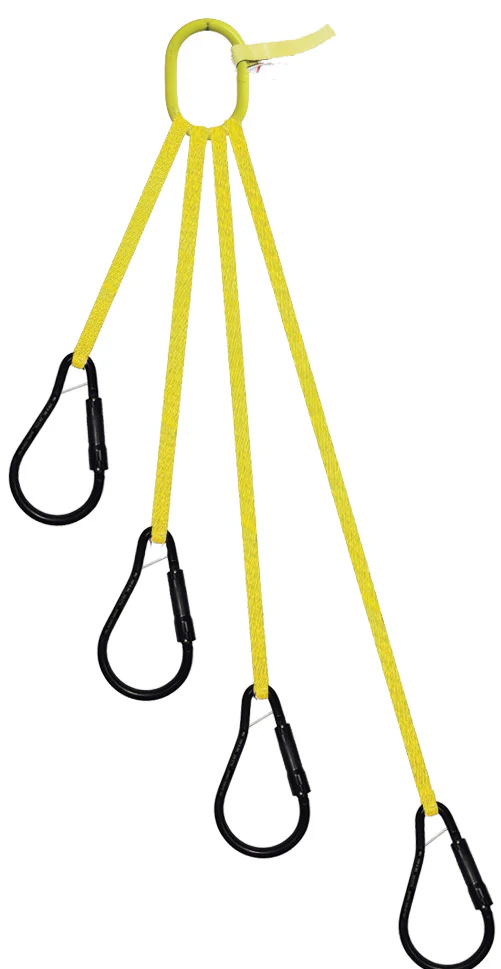
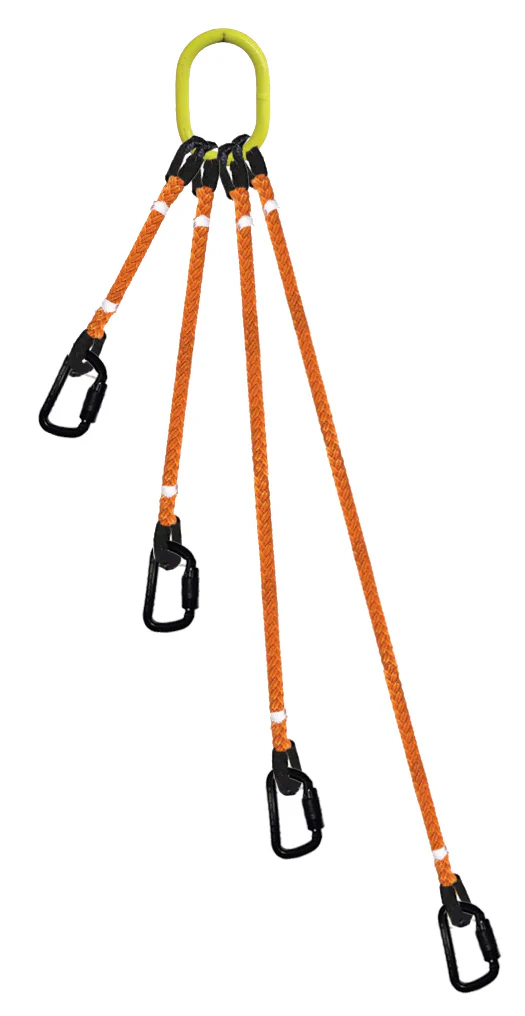
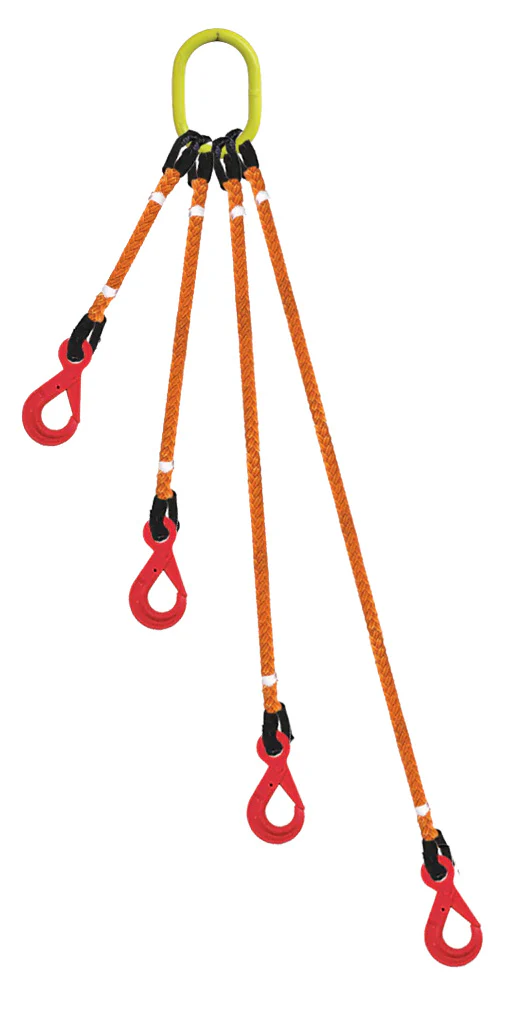
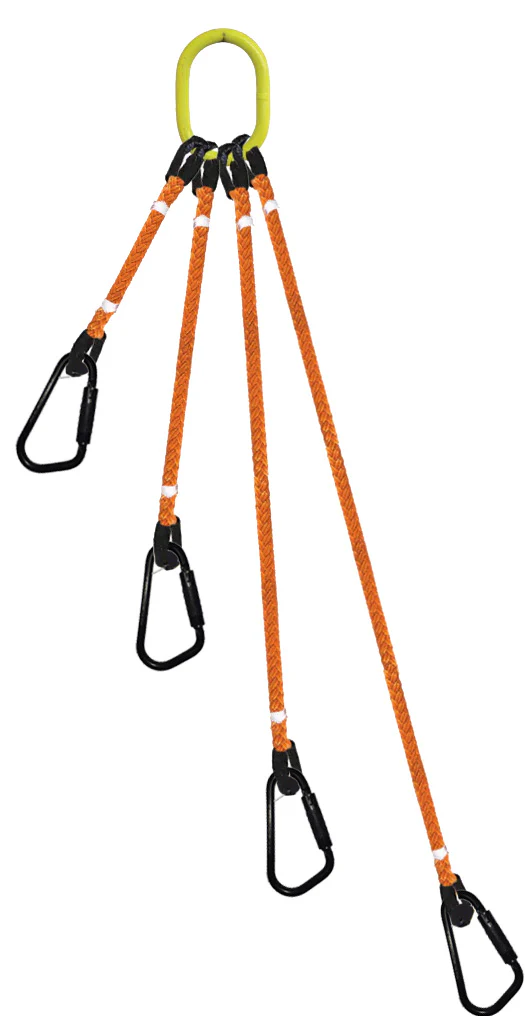
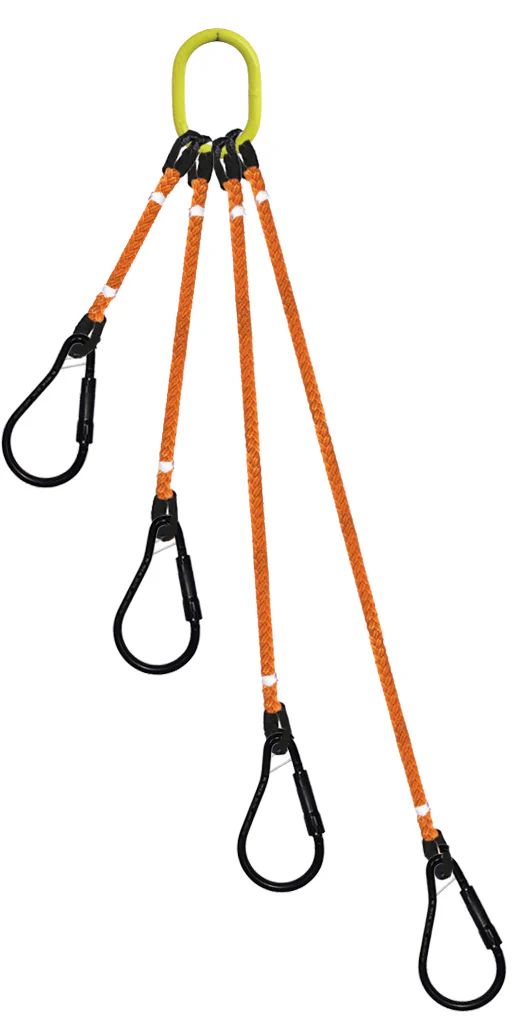
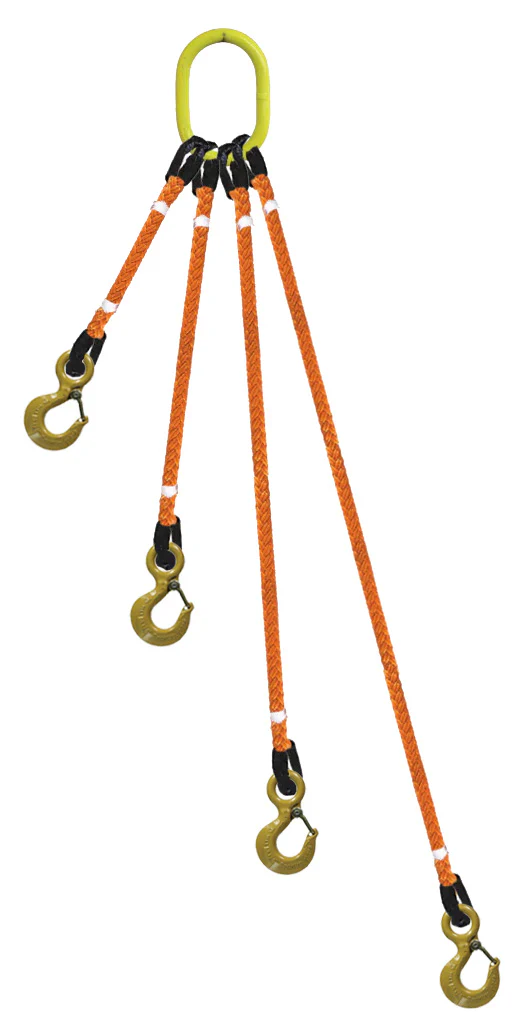
Adjustable Transformer Sling 5/8" – Dakota Riggers & Tool Supply, Inc.
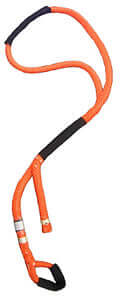
Adjustable Transformer Sling 3/8" – Dakota Riggers & Tool Supply, Inc.
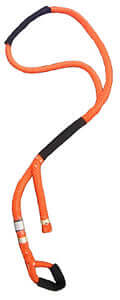
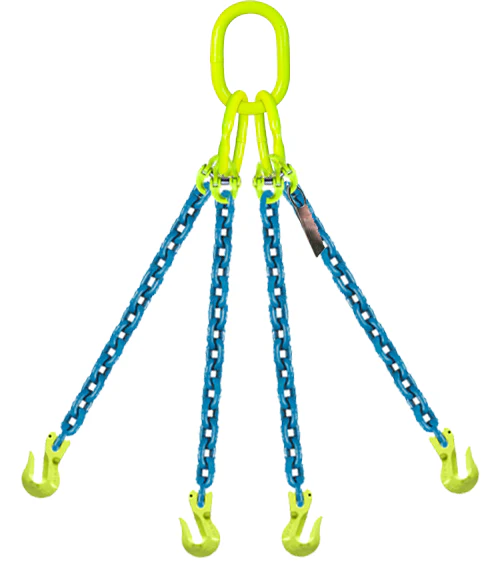
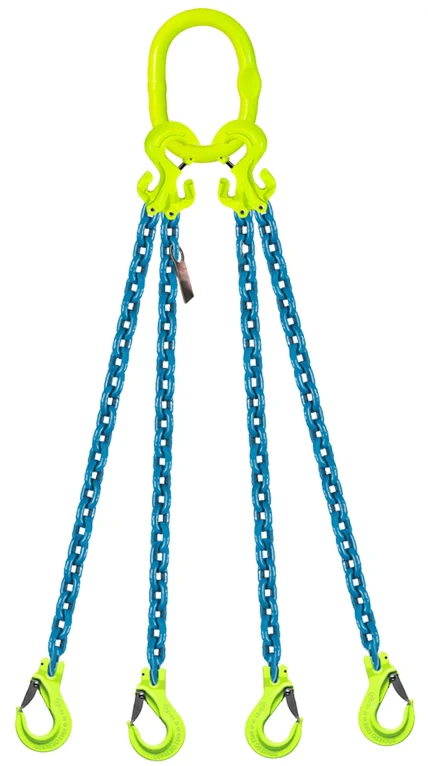
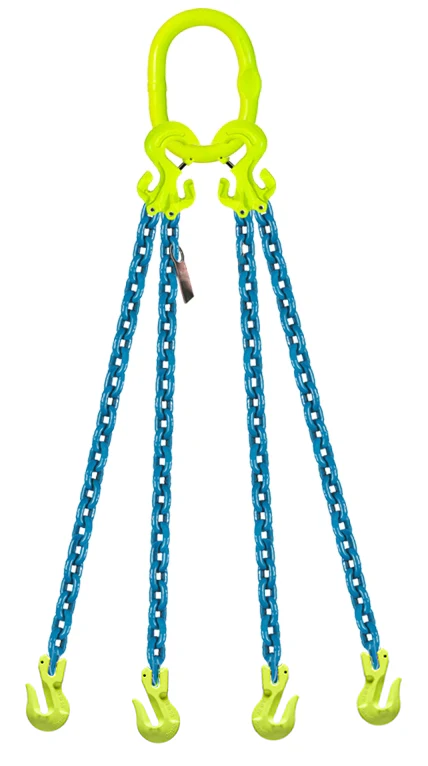
What to Know Before You Buy
Fall protection is a regulated category. OSHA standards define what equipment is required for what applications and non-compliance carries real liability. The shops here come from professional tradespeople, safety trainers, and rigging specialists who work under these regulations daily. This is not a category where buying the cheapest available option is an acceptable tradeoff.
Harness fit is the variable most buyers underestimate. A harness that does not fit correctly is not just uncomfortable, it is dangerous. Weight and chest size are the primary fit variables but torso length, shoulder width, and leg strap geometry all affect how a harness performs in a fall. Creator content from safety professionals is useful here because they demonstrate fit checks and adjustment procedures that manufacturers show poorly in instruction manuals.
Anchor strength requirements are 5,000 pounds per attached worker under OSHA standards, or designed by a qualified person to a safety factor of two. This means most structural attachments in residential construction do not qualify as anchor points without additional hardware. Creators who do roofing, framing, and tower work show real anchor setups that reflect actual compliance rather than ideal conditions.
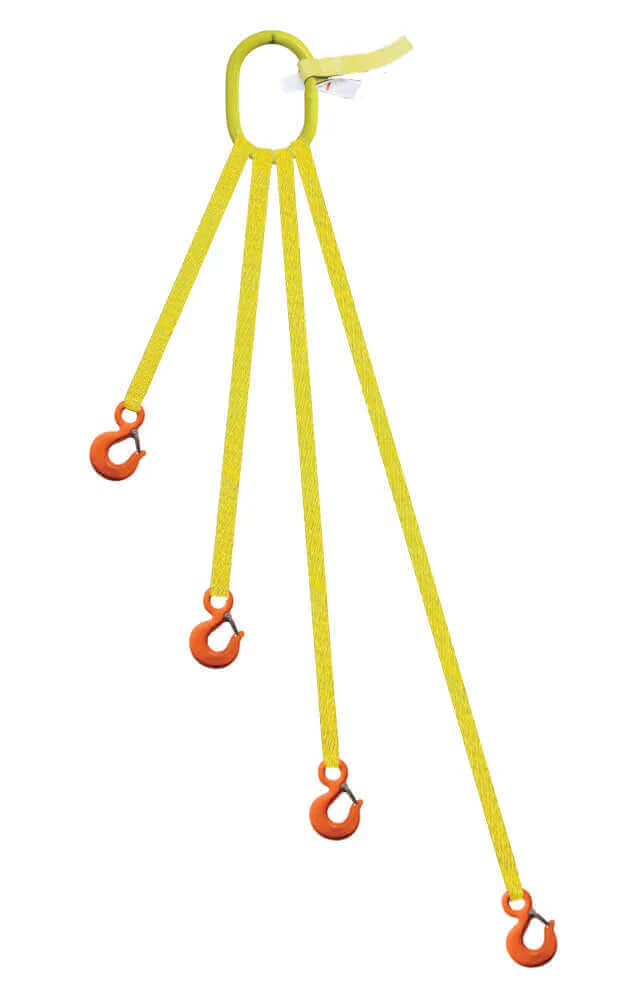
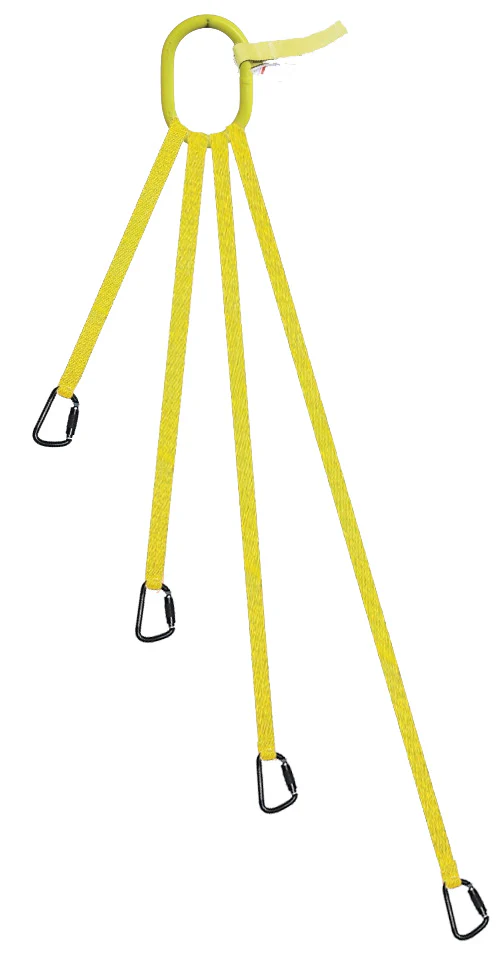
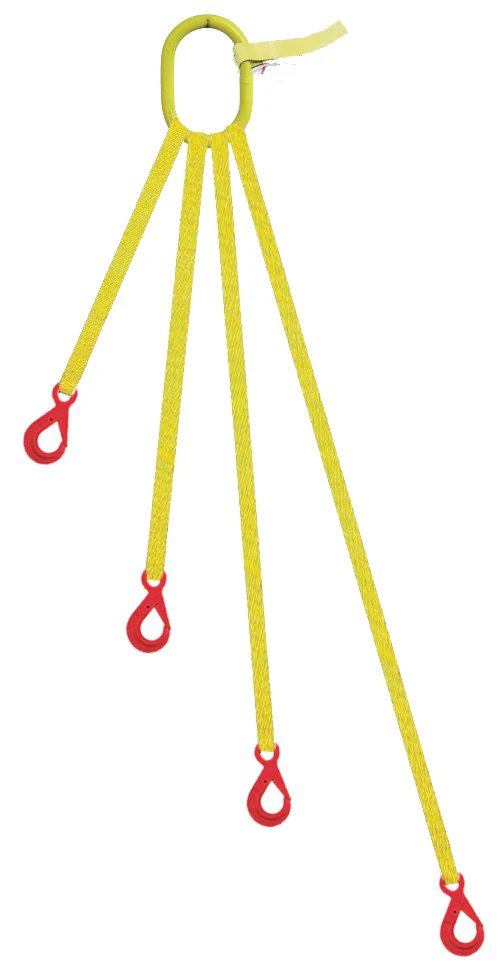
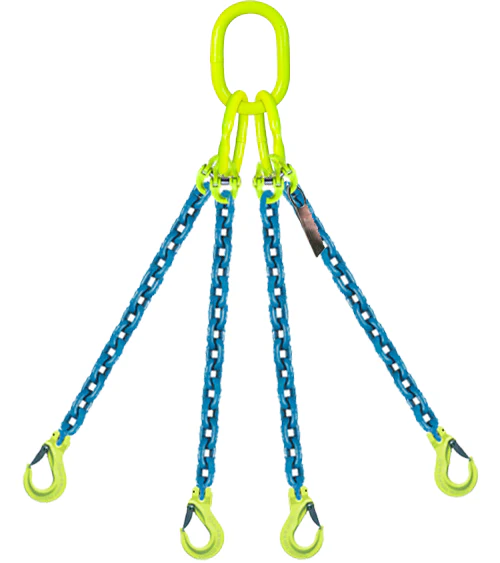
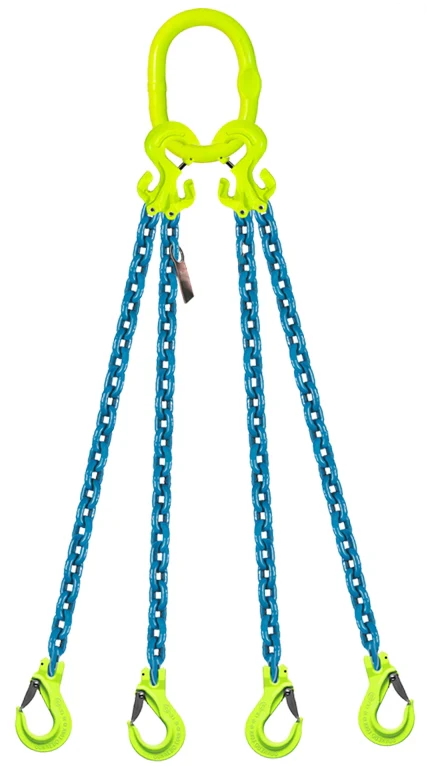
Rigging and lifting equipment has its own regulatory framework separate from fall protection. Sling working load limits depend on sling angle, which most buyers do not account for. A sling rated for 10,000 pounds vertical drops to 7,000 pounds at 45 degrees and 5,000 pounds at 30 degrees. Creators in the rigging and heavy lift space show load angle calculations in practice in a way that catalog specs do not.
Tool tethering is the fastest growing subcategory in this space driven by OSHA dropped object standards and insurance requirements on urban construction sites. The shops here reflect significant creator content from ironworkers, window installers, and high-rise tradespeople who have adopted tethering as standard practice.