
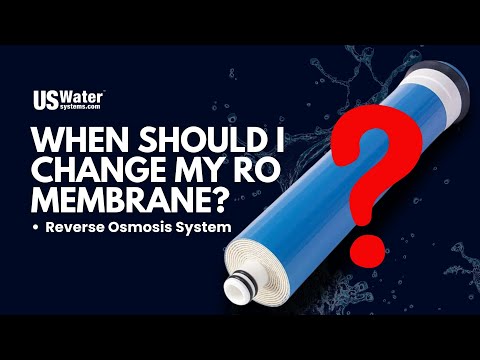
This guide focuses on the critical task of maintaining your reverse osmosis (RO) system by replacing its membrane. It covers essential replacement filters, diagnostic tools, and accessories. This bundle is intended for homeowners and water quality enthusiasts looking to ensure their RO system continues to provide clean, filtered water effectively.
Curated by The Shelf Curator · Updated June 2026
Built for homeowners managing their own under-sink filtration who need to differentiate between routine pre-filter swaps and long-term membrane failure. Not for commercial-grade systems — this shop focuses on standard residential 1812 and brand-specific G3 configurations.
Curator's pick: Digital TDS Water Quality Tester
Most people toss membranes too early based on a calendar; this tool is the only way to know if your Total Dissolved Solids are actually creeping up. It's the cheapest way to verify your 90-95% rejection rate is still holding.
⚠ Worth knowing: High-capacity membranes like the 75 GPD models will fail prematurely if you don't stay on top of your carbon pre-filter changes, as chlorine eats the thin-film composite material. If you have unusually high water pressure, you may also need a pressure regulator to prevent housing cracks.
Testing Your Raw Water Hardness Before InstallationUnder-Sink Leak Detection and Automatic Shut-off ValvesRemineralization Cartridges for Alkaline RO Water
This shop is built from a common problem: knowing when and how to change your reverse osmosis (RO) membrane. It is curated with essential tools and components to empower homeowners to confidently manage their RO system's maintenance, ensuring continuous access to high-quality filtered water.
This guide is for homeowners, DIY enthusiasts, and anyone who owns an under-sink reverse osmosis system and wants to take control of its maintenance. It's particularly useful for those looking to save money on professional services and prolong the life of their water filtration system.
Approaching your RO system maintenance budget involves a few key steps. A starter path focusing on diagnostics and a universal membrane can range from $40-$65, while a full build, including a new system and specialized tools, could cost between $300-$465.
Full build
$303–$465
Starter
$40–$65
TDS Tester + Universal Membrane
Best forDIY Water FiltrationHomeowner MaintenanceWater Quality EnthusiastsRO System OwnersCost-Effective Filtration
The Waterdrop G3 Reverse Osmosis Membrane Filter is designed for tankless RO systems, providing a direct replacement for maintaining water purification. It is for users of Waterdrop G3 systems needing consistent high-quality filtered water. This filter solves the problem of declining RO system performance and ensures continued access to clean drinking water.
Specifically for Waterdrop G3 systems
High-efficiency filtration
Easy twist-and-pull replacement
Reduces dissolved solids effectively
Typical lifespan 24-36 months
In this shop: This product aligns with the 'Waterdrop Reverse Osmosis System Replacement Filters' vibe by being a key component for direct RO membrane replacement in a popular system.
The Digital TDS Water Quality Tester measures the total dissolved solids in water, providing a quick assessment of purity. It is for anyone with a reverse osmosis system or concerned about water quality, helping them determine when an RO membrane is no longer performing optimally. This device solves the problem of guesswork, offering objective data to guide membrane replacement.
Measures Total Dissolved Solids (TDS)
Digital LCD display
Temperature reading capability
Portable, pen-style design
Auto-off function to save battery
In this shop: This product directly supports the 'Waterdrop Reverse Osmosis System Replacement Filters' vibe by offering a crucial tool for diagnosing filter performance.
The iSpring RCC7 High Capacity Under Sink RO System is a popular 5-stage reverse osmosis water filtration system for residential use. It is for homeowners seeking comprehensive water purification for drinking and cooking. This system provides a consistent supply of clean water by removing a wide range of contaminants.
5-stage filtration process
75 GPD membrane capacity
Under-sink installation
Includes faucet and tank
NSF certified components
In this shop: This RO system provides the context for the replacement filters, aligning with the 'Waterdrop Reverse Osmosis System Replacement Filters' vibe by being a typical system requiring membrane maintenance.
The Standard 1812 Reverse Osmosis Membrane (75 GPD) is a universal replacement membrane designed for most residential under-sink RO systems. It is for individuals maintaining standard RO units needing a cost-effective and compatible membrane. This membrane ensures continued high-purity water production by effectively filtering dissolved solids and contaminants.
Standard 1812 size (1.8" x 12")
75 Gallons Per Day (GPD) rating
Universal compatibility
High contaminant rejection rate
Long operational life (2-3 years)
In this shop: This product is a core component of the 'Waterdrop Reverse Osmosis System Replacement Filters' vibe, representing a widely applicable replacement membrane.
The Reverse Osmosis Housing Wrench is a specialized tool used to open the filter canisters of RO systems. It is for anyone performing maintenance on their RO unit, simplifying the process of accessing and replacing internal filters and membranes. This wrench solves the problem of struggling to open tightly sealed filter housings without damage.
Durable plastic construction
Specifically sized for RO housings
Provides leverage for opening
Prevents housing damage
Essential for filter changes
In this shop: This tool contributes to the 'Waterdrop Reverse Osmosis System Replacement Filters' vibe by making maintenance tasks, specifically membrane replacement, more accessible.
Food Grade Silicone Lubricant for O-Rings is used to ensure a tight, leak-free seal when reassembling RO filter housings during maintenance. It is for individuals replacing filters or membranes in their RO system who want to prevent leaks. This lubricant solves the problem of dry, stiff O-rings that can lead to water leakage from filter components.
Food-grade safe formulation
Ensures watertight seals
Extends O-ring lifespan
Prevents leaks in filter housings
Non-toxic, odorless, clear
In this shop: This product supports the 'Waterdrop Reverse Osmosis System Replacement Filters' vibe by being an essential maintenance accessory for successful and leak-free filter changes.
Empowers users to perform their own RO system maintenance, saving money on professional services and ensuring timely filter changes.
Provides the necessary tools for accurate diagnosis of membrane performance, eliminating guesswork and preventing unnecessary replacements.
Ensures the longevity and optimal performance of your reverse osmosis system by supporting regular, precise maintenance.
What to know
Requires a basic level of DIY comfort and willingness to get hands-on with plumbing components, which may not be suitable for all users.
Purchasing specialized tools for a one-time or infrequent task might seem like an added expense, though it pays off in long-term savings.
How to use this together
1
Assess Current Water Quality
Begin by using the Digital TDS Water Quality Tester to measure the total dissolved solids (TDS) in your tap water and then in your filtered RO water. This will give you a baseline and an immediate indication of your current membrane's performance. A significant increase in filtered water TDS suggests membrane degradation.
2
Gather Replacement and Tools
Select the appropriate replacement membrane for your system, either the Waterdrop G3 Reverse Osmosis Membrane Filter or the Standard 1812 Reverse Osmosis Membrane 75 GPD. Ensure you have the Reverse Osmosis Housing Wrench and Food Grade Silicone Lubricant for O-Rings readily available. Having all components ready streamlines the replacement process and prevents mid-task delays.
3
Replace the Membrane
Turn off the water supply to your RO system and depressurize it. Use the Housing Wrench to open the membrane housing. Carefully remove the old membrane, clean the housing, lubricate new O-Rings with Food Grade Silicone Lubricant, and insert the new membrane. Proper lubrication ensures a leak-free seal.
4
Flush and Re-test
After reassembling, slowly turn on the water supply and check for leaks. Flush the system according to the manufacturer's instructions (typically for 24-48 hours) to rinse away any storage preservatives from the new membrane. Finally, re-test the water with the Digital TDS Water Quality Tester to confirm optimal performance.