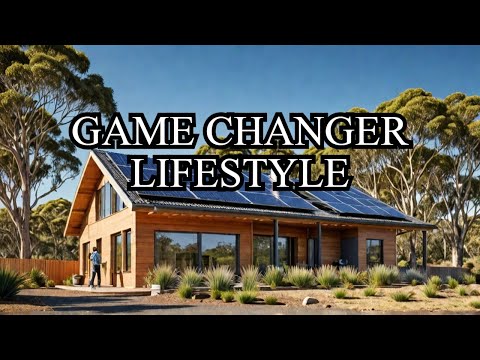
This bundle supports off-grid living in Australia by providing essential power, water, and sanitation solutions. It's designed for individuals and families seeking self-sufficiency in remote or rural environments. These products collectively enable the generation, storage, and utilization of renewable energy, while ensuring access to clean water and sustainable waste management.
Curated by The Field Editor · Updated June 2026
Built for solo dwellers or couples setting up a semi-permanent camp who need power that won't fail during a three-day rain stretch. Not for weekend glampers—this gear is selected for daily cycling where low-quality terminals usually vibrate loose or corrode.
Curator's pick: 200Ah 12V LiFePO4 Deep Cycle Battery
Most 100Ah units leave you hovering at 50% capacity by midnight; this 200Ah block provides the necessary buffer for running the fridge and a laptop without stressing the cells. The internal BMS is sturdy enough to handle high-draw surges that typically trip cheaper lithium alternatives.
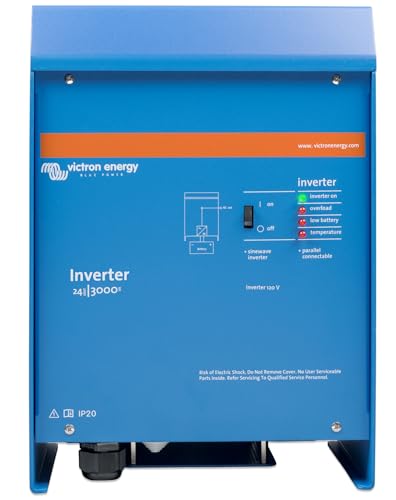
⚠ Worth knowing: The 3000W inverter is overkill for a single 200Ah battery if you plan on running heavy induction cooktops; you'll hit the discharge limit before the inverter even breaks a sweat. To actually use that 3000W capacity, you'll eventually need to parallel a second battery or you'll just be looking at a 'low voltage' warning.
Structural Hardware and Anchoring for Solar MountsHigh-Efficiency 12V Ventilation Fans and Passive CoolingGreywater Recovery and Soil Filtration Kits
This shop is built from essential components for off-grid living in Australia, focusing on power generation, storage, water purification, and waste management. It is designed to provide a comprehensive solution for self-sufficiency, enabling you to reduce reliance on utility networks.
This collection is for individuals and families in remote or rural Australian environments seeking independence from conventional infrastructure. It's particularly suited for those setting up small cabins, tiny homes, RVs, or 4WD vehicles where traditional services are unavailable or undesirable.
To begin, a starter path of solar panels and a battery offers foundational power. A full build incorporating all listed items provides complete self-sufficiency, with an estimated cost ranging from $3700 to $4900.
Full build
$3700–$4900
Starter
$1050–$1400
Solar Panel + LiFePO4 Battery
Best forRemote LivingSelf-SufficiencySustainable LivingAustralian OutbackOff-Grid HomesEmergency Preparedness
This 200Ah 12V LiFePO4 Deep Cycle Battery is a robust energy storage solution for off-grid systems. It's suitable for remote homes, RVs, and marine applications to power 12V appliances and lighting. This battery provides reliable, long-lasting power storage, crucial for nightly energy demands.
200 Amp-hour capacity
12 Volt nominal voltage
LiFePO4 chemistry for durability
Deep cycle for sustained discharge
Built-in Battery Management System
In this shop: This battery is essential for buffering intermittent solar generation, aligning with the off-grid solar panel kits and lithium batteries vibe.
The 400 Watt Solar Panel Starter Kit provides a fundamental renewable energy source for off-grid setups. It's ideal for small to medium-sized cabins, sheds, or backup power systems in remote Australian locations. This kit offers a straightforward way to begin generating clean electricity.
400W total panel capacity
Monocrystalline PV cells
Includes charge controller
Mounting hardware included
Suitable for 12V or 24V systems
In this shop: This solar kit forms the backbone of any off-grid power system, directly contributing to the off-grid solar panel kits and lithium batteries vibe.
The G2 Water Filtration System provides safe and clean drinking water from various sources. It is designed for off-grid households that rely on rainwater tanks, bore water, or other natural water supplies. This system ensures potable water by removing sediment, chemicals, and microorganisms.
Multi-stage filtration
Removes sediment and chlorine
Bacteria and virus reduction
High flow rate
Easy cartridge replacement
In this shop: Access to clean water is a fundamental aspect of off-grid living, complementing the power solutions in the off-grid solar panel kits and lithium batteries vibe.
This 3000W Pure Sine Wave Inverter converts 12V DC battery power into 240V AC power, suitable for standard household appliances. It's intended for off-grid homes or vehicles that need to run sensitive electronics and power tools. The inverter ensures a stable and clean power supply, protecting your devices.
3000 Watts continuous power
Pure sine wave output
12V DC to 240V AC conversion
Multiple safety protections
Remote control port
In this shop: This inverter bridges the gap between stored battery power and usable appliance power, crucial for a functional off-grid solar panel kits and lithium batteries setup.
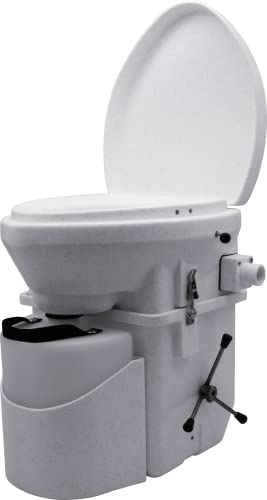
The Composting Toilet for Tiny Homes offers a waterless and sustainable waste management solution. It is suitable for small homes, cabins, and RVs where plumbing to a septic or sewer system is not feasible. This toilet processes waste into compost, reducing environmental impact.
Waterless operation
Compact design
Odor management system
Easy to empty and clean
Suitable for residential use
In this shop: Sustainable sanitation is a key component of complete off-grid living, fitting seamlessly with the self-sufficiency theme of off-grid solar panel kits and lithium batteries.
This Portable 12V 45L Fridge Freezer provides efficient cooling for food and beverages in off-grid environments. It is designed for use in caravans, 4WD vehicles, and remote cabins, operating directly from a 12V power source. The unit maintains temperature reliably with minimal power draw.
45 Litre capacity
12V DC power input
Fridge or freezer function
Low power consumption
Durable portable design
In this shop: Efficient appliances like this portable fridge are vital for maximizing stored energy, aligning with the energy independence offered by off-grid solar panel kits and lithium batteries.
This system provides reliable energy independence, allowing you to power essential appliances and lighting without reliance on a grid connection.
You gain access to clean, safe drinking water from various natural sources, ensuring peace of mind in remote locations.
The integrated waste management solutions offer an eco-friendly and practical alternative where traditional plumbing is not feasible.
What to know
The initial investment for a complete off-grid system can be substantial, requiring careful budgeting and planning.
Successfully integrating and maintaining all components requires a basic understanding of electrical and water systems, which may involve a learning curve.
How to use this together
1
Establish Your Power Foundation
Begin by installing the 400 Watt Solar Panel Starter Kit in a location with maximum sun exposure, ideally facing north for Australia. Connect the solar panels to the 200Ah 12V LiFePO4 Deep Cycle Battery, as this order ensures your primary energy source can charge your storage efficiently. This setup is crucial for establishing your core power supply before integrating other electrical components.
2
Convert and Distribute Power
Once your battery is charged, connect the 3000W Pure Sine Wave Inverter to your 200Ah 12V LiFePO4 Deep Cycle Battery. This step is vital because the inverter converts your battery's DC power into standard 240V AC power, allowing you to run typical household appliances. Without the inverter, you cannot power most of your devices, highlighting its critical role in power distribution.
3
Secure Water and Food Storage
Install the G2 Water Filtration System near your primary water source, such as a rainwater tank, ensuring clean drinking water is readily available. Simultaneously, power your Portable 12V 45L Fridge Freezer using either the 12V battery directly or via the inverter, as maintaining food safety is paramount. Addressing water and food preservation early guarantees basic necessities are met from the start.
4
Implement Sustainable Waste Management
Set up the Composting Toilet for Tiny Homes in an appropriate, well-ventilated location. This can be done at any point after the power foundation is established, but it's often best implemented before full occupancy. Proper placement and use of the composting toilet ensure effective waste processing and significantly reduces your environmental footprint.