This bundle focuses on power inverters, particularly the WZRELB 4000W 48V Split Phase Pure Sine Wave Inverter, and related components for off-grid or backup power systems. It's for users seeking to understand, compare, and build robust 48V power solutions. The products collectively support independent power generation and usage.
Curated by The Shelf Curator · Updated June 2026
Built for off-grid homeowners and workshop owners who need to run 240V heavy appliances like well pumps or table saws on a 48V battery bank. Not for casual RVers with only 12V DC systems — this shop focuses on heavy-duty split-phase stationary power.
Curator's pick: WZRELB 4000W 48V Split Phase Pure Sine Wave Power Inverter
This unit handles the surge loads of induction motors significantly better than the hybrid chargers in its price bracket. I chose it because it uses a low-frequency design with a massive transformer that holds line voltage steady when the saw blade bites into the wood.
⚠ Worth knowing: The internal fans on the WZRELB are loud and kick in under relatively low loads, so you cannot mount this in a living space. Also, the idle power draw is higher than high-end Victron units, meaning you need a larger battery bank to compensate for the overnight vampire drain.
High-Capacity LiFePO4 Battery Banks for 48V SystemsEssential Busbars and 250A Circuit Breakers for High-Wattage DCAC Sub-Panel Kits for Off-Grid Split Phase Integration
This shop focuses on the WZRELB 4000W 48V Split Phase Pure Sine Wave Power Inverter and related components, providing a comprehensive look into building robust 48V power solutions. It's built from the understanding that reliable off-grid or backup power is essential for many applications.
This guide is for individuals looking to set up an independent power generation system, whether for an off-grid home, cabin, RV, or as an emergency backup. It’s particularly valuable for DIY enthusiasts and those who want to understand the core components of a 48V power system.
To get started, focus on the inverter, appropriate battery cables, and perhaps a multimeter. A full build, including solar charging and more advanced inverters, could range from $1320 to $2250.
Full build
$1320–$2250
Starter
$670–$950
Inverter + Cables + Multimeter
Best forOff-Grid LivingEmergency Backup PowerSelf-Sufficient SystemsAdvanced DIY PowerRemote Cabin Power
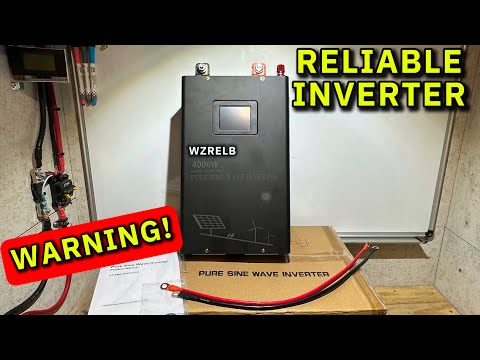
WZRELB 4000W 48V Split Phase Pure Sine Wave Power Inverter
This is a 4000W 48V split phase pure sine wave power inverter designed for converting DC battery power into AC household electricity. It is suitable for off-grid homes, cabins, or emergency backup systems requiring a stable and clean power source. This inverter addresses the need for reliable AC power from a DC source.
4000W continuous power output
48V DC input, split phase 120V/240V AC output
Pure sine wave output for sensitive electronics
Low frequency transformer design
Overload and overheat protection
In this shop: This WZRELB inverter is central to the shop's vibe, offering a high-power solution for independent energy needs.
The Victron Energy MultiPlus-II is an inverter charger designed for hybrid power solutions, combining a pure sine wave inverter, battery charger, and transfer switch. It's for users building advanced off-grid, marine, or vehicle power systems who need integrated charging and power management. This unit provides reliable AC power while also managing battery charging from various sources.
3000VA / 2400W pure sine wave inverter
48V DC input, 120V AC output
Integrated 35A adaptive battery charger
PowerAssist feature for shore/generator boosting
Parallel and three-phase capability
In this shop: This Victron Energy MultiPlus-II aligns with the shop's focus on robust power solutions, serving as a high-end alternative for sophisticated setups.
This Giandel 4000W Pure Sine Wave Power Inverter provides clean and stable AC power from a 48V DC source. It is suitable for users needing to power a variety of appliances, including sensitive electronics, in off-grid or mobile applications. The inverter solves the problem of converting battery power into usable household electricity.
4000W continuous pure sine wave output
48V DC input, 120V AC output
Dual AC outlets
LED display for voltage/power status
Multiple protection features
In this shop: This Giandel inverter fits the shop's vibe by offering a directly comparable high-wattage 48V pure sine wave option.
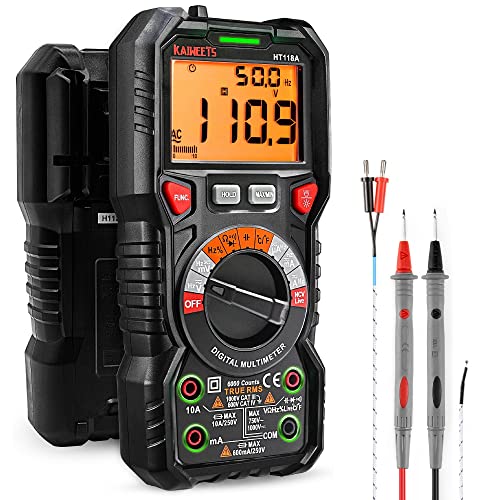
The Kaiweets Digital Multimeter is a versatile tool for electrical testing, capable of measuring AC/DC voltage, current, resistance, and continuity. It is intended for electricians, DIY enthusiasts, and anyone needing to diagnose electrical circuits or test device performance. This multimeter provides accurate readings essential for commissioning and troubleshooting power systems.
True RMS (TRMS) measurements
6000 counts display
Auto-ranging functionality
Non-contact voltage detection
Backlight display
In this shop: This Kaiweets multimeter supports the shop's theme by providing a crucial tool for testing and validating the performance of power inverters and related electrical components.
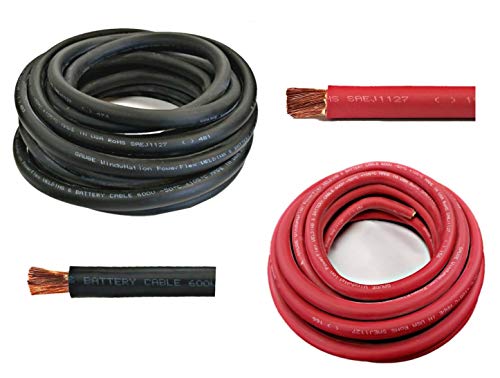
This WindyNation 4/0 AWG Gauge Battery Cable is heavy-duty power wire designed for high-current applications. It is for connecting large battery banks to inverters or other high-power DC equipment, ensuring efficient and safe power transfer. The cable prevents power loss and overheating in demanding electrical systems.
4/0 AWG copper conductor
Flexible PVC insulation
High strand count for flexibility
Rated for high current applications
Available in various lengths and colors
In this shop: These WindyNation cables are essential for safely integrating the featured WZRELB inverter and other high-power components within the shop's off-grid power system context.
The EPEVER 60A MPPT Solar Charge Controller manages solar panel input to efficiently charge 48V battery banks. It's designed for users building off-grid solar power systems, optimizing power harvesting from solar panels. This controller ensures batteries are charged safely and efficiently, extending their lifespan.
60A maximum charging current
MPPT (Maximum Power Point Tracking) technology
Supports 12V/24V/36V/48V battery systems
LCD display for system monitoring
Multiple load control modes
In this shop: This EPEVER charge controller complements the shop's vibe by providing a key component for integrating solar charging with 48V inverter systems.
The combination of inverters ensures a versatile and reliable AC power supply suitable for various loads, from basic appliances to sensitive electronics.
Integrating a solar charge controller allows for energy independence, efficiently converting sunlight into usable power for battery banks.
The featured components provide a scalable foundation, allowing users to build a basic system and expand it with more sophisticated charging or inversion capabilities over time.
What to know
Setting up a 48V split-phase system requires a fundamental understanding of electrical wiring and safety procedures, which might be a learning curve for beginners.
The total cost for a complete self-sufficient system, especially with larger battery banks and solar arrays (not included here), can be a significant investment.
How to use this together
1
Assemble Core Components
Begin by securely mounting your chosen power inverter, such as the WZRELB 4000W 48V Split Phase Power Inverter. Ensure it is in a dry, well-ventilated area. Next, connect your 48V battery bank to the inverter's DC input terminals using the WindyNation 4/0 AWG Gauge Battery Cable. Proper cable sizing is crucial to prevent power loss and overheating, so ensure connections are tight and correct polarity is observed.
2
Integrate Solar Charging
If incorporating solar, connect your solar panels to the EPEVER 60A MPPT Solar Charge Controller. Then, wire the charge controller to your 48V battery bank. This step ensures that your batteries are charged efficiently and safely from solar energy, extending their lifespan and providing a renewable power source.
3
Verify & Test System
Before connecting any loads, use the Kaiweets Digital Multimeter TRMS 6000 Counts to test DC voltage at the inverter's input and AC voltage at its output (without external loads). This diagnostic step helps confirm proper operation and identify any wiring errors or issues before potentially damaging appliances. Always ensure the inverter is properly grounded.