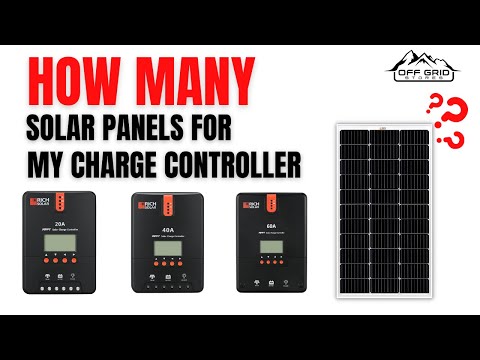
This bundle provides foundational components for understanding and building solar power systems, focusing on the critical relationship between solar panels and MPPT charge controllers. It is designed for DIY enthusiasts and those seeking to optimize their off-grid or recreational vehicle power setups. The selection helps illustrate how to size a charge controller based on solar panel specifications and system requirements.
This shop is built from foundational components for understanding and building solar power systems, focusing intently on the crucial relationship between solar panels and MPPT charge controllers. It aims to demystify how to size a charge controller based on solar panel specifications and overall system requirements.
This guide is for DIY enthusiasts, RV owners, and anyone looking to set up or optimize an off-grid solar power system. It specifically targets those who want to learn the practicalities of matching solar panels to appropriate charge controllers for efficient energy harvesting.
To start, focus on a single panel and a matching charge controller. A basic starter setup for under $300 will get you going, while a full build integrating multiple panels and a robust controller could range from $600 to $870.
Full build
$600–$870
Starter
$275–$420
Panel + Small Controller + Multimeter
Best forOff-Grid EnthusiastsRV OwnersDIY Solar ProjectsEnergy IndependenceSystem ExpansionBattery Health
Victron Energy SmartSolar MPPT 100/20 Charge Controller
The Victron Energy SmartSolar MPPT 100/20 Charge Controller is a crucial component in off-grid solar systems, regulating power flow from solar panels to batteries. It is for users who need efficient energy harvesting and remote monitoring capabilities for their 12V or 24V battery banks. This controller ensures optimal battery charging and system health.
20A charge current for 12V/24V batteries
Max 100V PV input
Bluetooth for app monitoring
MPPT technology for efficiency
Compact aluminum housing
In this shop: This Victron Energy charge controller embodies the efficiency and smart management central to high-performance solar power systems.
This Renogy 100 Watt 12 Volt Monocrystalline Solar Panel provides a reliable power source for small to medium-sized off-grid applications. It is suitable for RVs, boats, or cabins, enabling battery charging and direct power for DC appliances. This panel offers a standard building block for expandable solar setups.
100W power output at 12V
High-efficiency monocrystalline cells
Corrosion-resistant aluminum frame
IP65 waterproof junction box
Standard MC4 connectors
In this shop: This Renogy solar panel represents the standard for individual power generation in versatile solar power systems.
The BougeRV 40A MPPT Solar Charge Controller seamlessly manages power from larger solar arrays to your battery bank. Designed for users with multi-panel setups (e.g., 400W-800W at 12V), it optimizes solar energy conversion. This controller helps prevent overcharging and ensures stable power delivery for increased electrical demands.
40A charge current
MPPT tracking efficiency >99%
12V/24V auto-detect
Multiple battery type support
LCD display for system data
In this shop: This BougeRV charge controller offers the robust power handling required for scaling up solar power systems effectively.
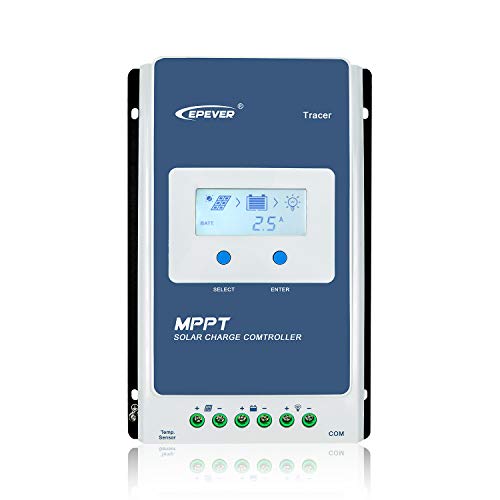
The EPEVER MPPT Charge Controller 40A Tracer AN Series is an efficient unit for managing solar panel output to battery charging. It is for budget-conscious users who still require reliable MPPT technology for their 12V/24V battery systems. This controller delivers high tracking efficiency and comprehensive protection features.
40A max charging current
Max PV input 100V
Supports lead-acid and lithium batteries
Dual USB output ports
Common negative grounding design
In this shop: This EPEVER controller offers accessible, high-performance MPPT for those building capable solar power systems without overspending.
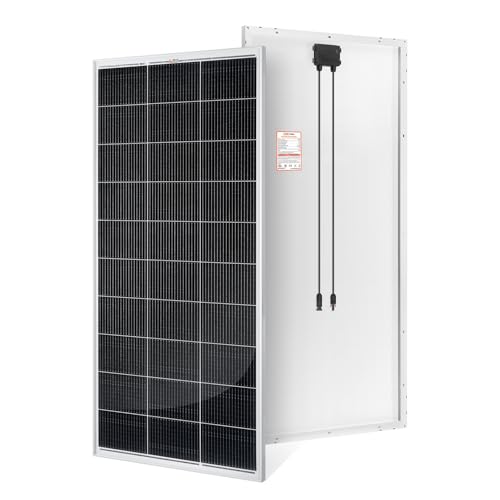
The Rich Solar 200 Watt 12 Volt Monocrystalline Solar Panel offers increased power generation from a single unit. It is ideal for users needing more significant power output for applications like larger RVs or small homes. This panel reduces the number of individual panels required for a given wattage target.
200W output power at 12V
Monocrystalline silicon cells
Tempered glass and aluminum frame
High power conversion efficiency
Pre-drilled mounting holes
In this shop: This Rich Solar panel demonstrates how higher-wattage components integrate into expanded solar power systems configurations.
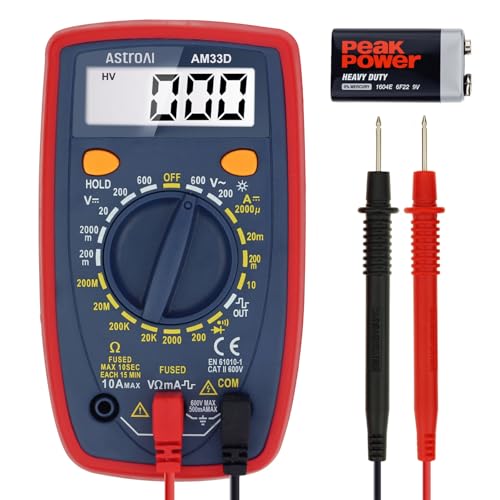
The AstroAI Digital Multimeter is a versatile tool for electrical testing and troubleshooting in solar power system installations. It is essential for DIYers and professionals to measure voltage, current, and resistance accurately. This device ensures correct wiring and helps diagnose potential issues.
Measures voltage, current, resistance
Backlit LCD display
Auto-ranging function
Includes test leads and battery
Diode and continuity test
In this shop: This AstroAI multimeter provides the indispensable measurement capability required for precise setup and troubleshooting in solar power systems.
BougeRV Solar Connectors Y Branch Parallel Adapters facilitate connecting multiple solar panels in parallel, a common configuration technique. They are crucial for users looking to increase their solar array's amperage while maintaining system voltage. These connectors simplify wiring and ensure safe, weatherproof connections between panels.
MC4 compatible Y branch connectors
Connects 2 panels in parallel
IP67 waterproof rating
UV resistant plastic
Quick and secure assembly
In this shop: These BougeRV connectors are fundamental for expanding and customizing solar power systems by enabling parallel panel configurations.
This combination enables efficient energy conversion from solar panels, maximizing the power delivered to your battery bank even in varying light conditions.
The selected range of products allows for scalable power solutions, making it easy to start small and expand your solar array as your energy needs grow.
You gain critical tools and components necessary for safely monitoring and troubleshooting your solar setup, ensuring longevity and optimal performance.
What to know
Initial setup can be complex for absolute beginners, requiring careful attention to wiring specific components and understanding electrical principles.
Expanding your system with more powerful panels and controllers may require additional wiring and mounting considerations not included in this core bundle.
How to use this together
1
Select Your Solar Panel(s) & Controller
First, determine your power needs. For a basic setup, start with the Renogy 100 Watt 12 Volt Monocrystalline Solar Panel. If you need more power, consider the Rich Solar 200 Watt panel or multiple Renogy panels. Based on your desired wattage (e.g., 100W, 200W, 400W), choose a suitable MPPT charge controller like the Victron Energy SmartSolar MPPT 100/20 (for smaller systems) or the BougeRV 40A MPPT for larger arrays. This choice is critical as the controller must safely handle the output from your panels.
2
Connect Panels to Controller
If connecting multiple panels in parallel, use the BougeRV Solar Connectors Y Branch Parallel Adapter. Connect the positive and negative leads from your solar panel(s) to the designated 'PV Input' terminals on your chosen MPPT charge controller (e.g., Victron Energy SmartSolar or BougeRV 40A). Ensure all connections are secure and polarity is correct. This order is essential to prevent damage to the controller.
3
Connect Controller to Battery
Next, connect the 'Battery Output' terminals of the MPPT charge controller to your battery bank. Always connect the battery to the charge controller before connecting the solar panels. This sequence allows the controller to detect the battery voltage and configure itself correctly, preventing potential damage from the solar input.
4
Monitor and Verify with Multimeter
Once all connections are made, use the AstroAI Digital Multimeter to verify voltages and currents at various points in your system. Check the open-circuit voltage of your panels without the controller, then the battery voltage, and finally, current flowing from the controller to the battery. This step is crucial for troubleshooting and ensuring your system is operating safely and efficiently.