
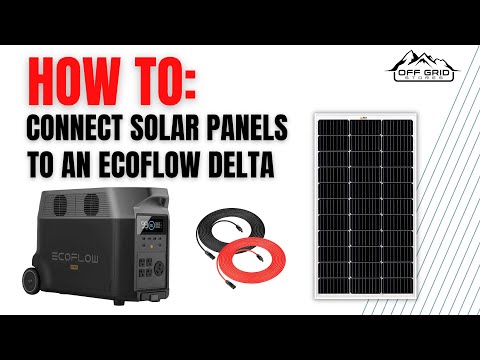
This bundle features essential components for connecting solar panels to EcoFlow DELTA series portable power stations. It includes power stations, compatible solar panels, and the necessary cables to establish a solar charging setup. The products collectively enable users to harness solar energy for off-grid power solutions and emergency preparedness.
Curated by The Shelf Curator · Updated June 2026
Built for EcoFlow owners who need to bridge the gap between third-party panels and proprietary inputs. Not for casual users seeking a plug-and-play kit — this shop focuses on the specific wiring and adapters needed for a custom setup.
Curator's pick: BougeRV Solar Connectors to XT60 Adapter Cable
Most EcoFlow users overestimate the need for brand-matching panels, but this cable is the real essential because it allows you to run much cheaper, rigid glass panels into your DELTA unit without signal drop or heat at the connector.
⚠ Worth knowing: If you are daisy-chaining more than three panels in parallel, the gauge of these standard XT60 cables can get hot; for DELTA Pro setups, you should monitor the connection point for plastic softening during peak summer exposure.
External Battery Expansion Tanks for EcoFlow DELTA SeriesRigid Monocrystalline Panels for Off-Grid Cabin MountingPortable Power Station Protective Cases and Weather Shields
This shop is built from essential components to create a robust solar charging system for your EcoFlow DELTA series portable power station. It combines high-capacity power stations with efficient solar panels and the necessary cables to harness solar energy effectively. These products work in concert to provide reliable off-grid power.
This setup is ideal for adventurers, RV enthusiasts, those seeking emergency power solutions, or anyone wanting energy independence. It's perfectly suited for camping trips, extended outdoor stays, or as a reliable backup for home power outages. This bundle ensures you can keep your essential devices powered wherever you are.
To get started, focus on a power station and a single solar panel with a charging cable. A full build, including a high-capacity DELTA Pro and multiple panels, could range from $3200 to $4500. A more modest starter setup can be achieved for around $300-$500.
Full build
$3200–$4500
Starter
$300–$500
DELTA Mini + 160W Solar Panel + Charging Cable
Best forOff-Grid LivingEmergency PreparednessRV & Van LifeRemote WorkOutdoor Enthusiasts
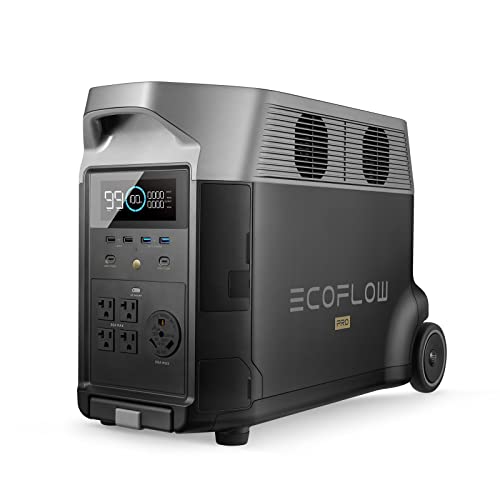
The EcoFlow DELTA Pro Portable Power Station serves as a high-capacity energy storage unit for homes, RVs, and off-grid scenarios. It is designed for users requiring substantial power output and extended runtimes. This unit addresses power needs ranging from essential appliances to entire home backup.
3600Wh capacity, expandable
3600W AC output (7200W surge)
Multiple charging methods, including solar
LFP battery chemistry
Wheeled design for portability
In this shop: The EcoFlow DELTA Pro Portable Power Station is central to the EcoFlow Solar Panel Connection Cables and Adapters theme, as it is the primary power station benefiting from these solar charging solutions.
The EcoFlow 160W Solar Panel is a monocrystalline foldable solar panel designed for efficiency and portability. This panel is suitable for users looking to recharge EcoFlow power stations or other compatible devices with solar energy. It provides a reliable and clean power source for outdoor adventures or emergency situations.
160W rated power
Monocrystalline silicon cells
IP68 dust and water resistance
Foldable design with kickstand case
MC4 connector
In this shop: The EcoFlow 160W Solar Panel Waterproof embodies the EcoFlow Solar Panel Connection Cables and Adapters theme by being a primary, compatible solar input for the DELTA series.
The EcoFlow Solar to XT60 Charging Cable is an essential accessory for connecting standard solar panels to EcoFlow DELTA series power stations. It is designed for users who need a direct and secure connection between their solar panel's MC4 connectors and the power station's XT60 input. This cable ensures efficient power transfer for recharging.
MC4 to XT60 connectors
21.8in length
16AWG wire gauge
UV resistant PVC jacket
Input: MC4 Male, Output: XT60 Male
In this shop: The EcoFlow Solar to XT60 Charging Cable directly supports the EcoFlow Solar Panel Connection Cables and Adapters theme by facilitating solar input to EcoFlow units.
The EcoFlow Solar Parallel Connection Cable is used to link multiple solar panels in parallel, effectively increasing the total current and reducing charging time. This cable is for users who wish to maximize their solar input to EcoFlow power stations by combining the output of several panels. It is integral for expanding a solar charging system.
Connects two solar panels in parallel
MC4 branch connectors
Input: 2x MC4 Male, Output: 1x MC4 Female
Rated for outdoor use
Durable plastic housing
In this shop: The EcoFlow Solar Parallel Connection Cable aligns with the EcoFlow Solar Panel Connection Cables and Adapters theme by enabling multi-panel solar configurations.
The Renogy 100 Watt 12 Volt Monocrystalline Solar Panel is a rigid, high-efficiency solar panel suitable for various 12V charging applications. It is often chosen by users who need a robust and reliable solar power source for RVs, boats, or off-grid systems. This panel offers a cost-effective solution for solar energy generation.
100W rated power
Monocrystalline cells
Aluminum frame, tempered glass
IP65 junction box
MC4 connectors
In this shop: The Renogy 100 Watt 12 Volt Monocrystalline Solar Panel fits the EcoFlow Solar Panel Connection Cables and Adapters theme by representing a common third-party solar panel option.
The BougeRV Solar Connectors to XT60 Adapter Cable provides a convenient way to connect universal solar panels with MC4 connectors to EcoFlow power stations. This cable is for users who own third-party solar panels and require an adapter to integrate them into an EcoFlow charging setup. It ensures compatibility and secure electrical connection.
MC4 to XT60 adapter
14AWG copper wire
Approx. 12in length
UV resistant jacket
Max 30A current
In this shop: The BougeRV Solar Connectors to XT60 Adapter Cable is a key component within the EcoFlow Solar Panel Connection Cables and Adapters theme, bridging third-party solar panels to EcoFlow units.
This combination provides versatile and reliable power for various off-grid and emergency scenarios, ensuring you're never without electricity.
The modular nature of the system allows for flexible expansion, letting you start small and add more solar panels or larger power stations as your needs grow.
Utilizing solar energy reduces reliance on traditional power grids, offering a sustainable and environmentally friendly power generation solution.
What to know
The initial investment for a complete system, especially with higher-capacity power stations and multiple solar panels, can be substantial.
Optimal performance depends on consistent sunlight and proper panel positioning, which may be challenging in overcast conditions or certain locations.
How to use this together
1
Unfold and Position Solar Panels
Begin by unfolding your EcoFlow 160W Solar Panel or positioning your Renogy 100 Watt Solar Panel in an area with direct sunlight. Angle the panels towards the sun for maximum efficiency. This is crucial for optimal power generation and faster charging times.
2
Connect Panels to Charging Cable
For EcoFlow panels, connect them directly to the EcoFlow Solar to XT60 Charging Cable. If using a third-party panel like Renogy, use the BougeRV Solar Connectors to XT60 Adapter Cable. Ensure secure connections to prevent power loss and maintain safety.
3
Connect Charging Cable to Power Station
Plug the XT60 end of the charging cable into the XT60 input port on your EcoFlow DELTA Pro Portable Power Station. The power station should immediately begin displaying the incoming solar charge. This order ensures power flows correctly from panels to storage.
4
Expand with Parallel Connection (Optional)
If you have multiple solar panels and wish to increase charging speed, use the EcoFlow Solar Parallel Connection Cable to link them together before connecting to the charging cable. This setup maximizes the solar input to your power station, reducing total charging time.